
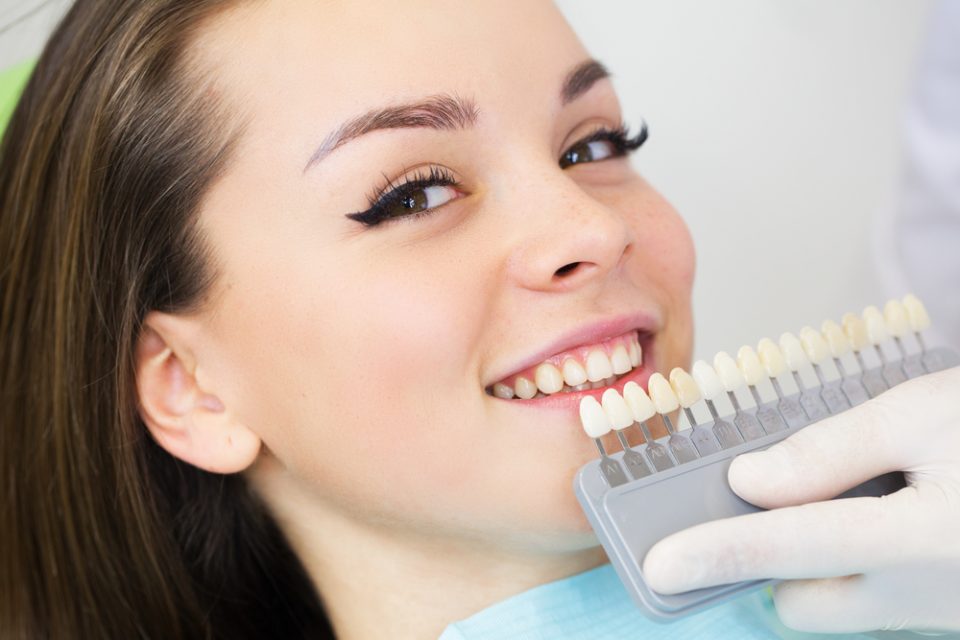
Closing a gap can mean changing the shape of the teeth, changing their position, or combining the two. Those routes may produce a similar appearance in a photograph while involving very different treatment. For people comparing cosmetic dentistry in London, the first useful decision is therefore not which material looks brightest. It is what would need to change for the space to close in a balanced way.
Composite bonding adds tooth-coloured material. Orthodontic treatment moves teeth. Sometimes a plan uses movement to distribute space before material is added to improve the final proportions. A gap between otherwise present teeth also differs from the space left by a missing tooth, which needs a separate assessment rather than an automatic bonding solution.
These five practices offer relevant ways to explore those choices. Their inclusion does not mean a gap needs treatment: a stable space can be a feature someone is happy to keep. If you do want a change, the aim is to understand both the new appearance and the care required to maintain it.
Closing Tooth Gaps with Cosmetic Dentistry in London
Imagine two people with a similar-looking space between their front teeth. One wants to add a little width to narrow teeth. The other likes the width of the teeth but wants their positions changed. Although the photographs may look similar, adding material answers a different question from moving the teeth closer together. These are examples for discussing the alternatives, not a way to diagnose treatment from a mirror.
The surrounding teeth, the bite and the health of the mouth matter too. A recent or changing gap deserves an examination before cosmetic treatment is chosen. A longstanding gap should still be assessed, particularly if closing it would affect the way the teeth meet or leave an awkward shape to clean.
There is no useful universal rule that every gap below a particular width should be bonded and every larger one should receive aligners. The relevant issue is the whole proposed result. That includes the proportions of the teeth, the amount of movement or added material and, where orthodontics is involved, a plan for retention afterwards.
How These Gap-Treatment Practices Were Chosen
Selection focused on London providers with documented composite bonding and orthodontic options, or an explicit explanation of how these approaches relate to gap closure. The comparison prioritises the change each route makes, access to more than one approach and the ability to discuss combined treatment. These criteria matter because the quickest visible closure is not automatically the most suitable overall plan.
The order begins with broad cosmetic planning, moves through coordinated alignment and bonding, and finishes with a practice that explicitly compares the routes for gaps. It is an editorial shortlist, not a score of clinical results. Descriptions of available treatments establish reasons for inclusion; they do not establish which treatment an individual reader needs.
Top 5 Cosmetic Dentists for Closing Tooth Gaps in London
- MaryleboneSmileClinic
The Harley Street clinic offers composite bonding and Invisalign, making it relevant to a decision about changing tooth shape or tooth position. Its bonding explanation identifies gap closure as one use of tooth-coloured resin, alongside repairing chips and rebuilding worn areas. These are related cosmetic concerns, but they should not be bundled together unless each change is wanted and justified. For example, a plan to close a central space with bonding should explain how the added width would look against the neighbouring teeth.
Within cosmetic dentistry in London, the combination of bonding and alignment at MaryleboneSmileClinic allows a gap to be considered in relation to both tooth proportions and position. The useful comparison is what each proposal would change: the outline of the teeth, their arrangement, or both.
An alignment proposal should explain which teeth would move and how that movement relates to the bite. Neither question can be answered simply by counting the teeth visible in a smile.
The clinic is included for those complementary capabilities. A practical outcome of the assessment would be an understandable reason for the chosen route, including why a simpler alternative is or is not appropriate. Bonding also brings maintenance considerations such as polishing or repair; moving the teeth brings retention. The preferred appearance and the ongoing commitment need to be considered together.
- Sensu
Sensu offers Invisalign and composite bonding at its London practices on Wimpole Street and Borough High Street. Its bonding information describes treatment for small gaps and explains that resin can be used for finishing after Invisalign. This gives a clear reason to include it when the question is whether a gap should be treated through one method or a sequence of methods.
The distinction becomes useful when the desired tooth proportions and the current arrangement do not quite match. Moving teeth first may change where the spaces sit; carefully planned additions can then address shape. The point of discussing a combined route is to establish whether each stage contributes something necessary. Two procedures are not automatically a more complete or better answer than one.
Sensu also distinguishes limited additions from more extensive composite coverage. That matters because the phrase bonding can refer to different amounts of treatment. A small addition to the side of a tooth and broader reshaping across several teeth should not be treated as the same proposal simply because both use resin.
This practice is therefore relevant to readers who want the sequence and extent of treatment explained. A useful plan would show which spaces are intended to close through movement, where any material would be added and how the finished shape would be maintained. It should also make clear whether bonding is essential to the agreed result or an optional cosmetic refinement afterwards.
- Whites Dental
Whites Dental, with practices in Waterloo and Marble Arch, describes gap closure through bonding as adding resin to the teeth beside the space, changing their outlines so that the gap is covered. It also provides Invisalign and fixed-brace options. That combination supports a direct discussion about whether the concern is primarily tooth shape, alignment or a mixture of the two.
The bonding explanation is especially useful for understanding what the treatment actually does. The teeth are not brought closer together by the resin. Their visible dimensions change. For someone who wants broader-looking teeth, that may be consistent with the desired result; for someone already happy with the width, it raises a different question about proportion.
Whites belongs in this shortlist because it offers both an additive route and ways of moving teeth. An informative comparison would show the proposed final outline of the bonded teeth alongside an explanation of what orthodontic treatment would aim to achieve. That is more revealing than comparing a bonding photograph with an aligner photograph from unrelated patients.
The assessment should also make the extent of treatment explicit. Closing one visible space does not necessarily mean adding material to every front tooth, while treating only the two central teeth is not automatically sufficient either. The number of teeth involved should follow the plan for a balanced appearance and a maintainable result, rather than a standard cosmetic package.
- Smilepod
Smilepod lists composite bonding for gaps, chips and changes in tooth appearance, alongside Invisalign and fixed braces across its London service network. Its studios include locations in the City, Canary Wharf, Holborn and Soho. This makes it relevant to patients who want to consider restorative and orthodontic approaches while keeping the practical arrangements for appointments in view.
Its bonding description centres on tooth-coloured resin applied to the natural teeth. This provides a starting point for discussing the amount of material needed and where it would sit. The visible closure should be considered from more than the front: the finished shape also needs to work when the teeth meet and allow cleaning around the area. These are matters for the clinical plan, not details that a photograph alone can settle.
Smilepod’s orthodontic services provide another route when changing position is part of the objective. The availability of both methods does not mean they will be delivered by the same clinician at every studio, so the intended team and appointment location should be clear if treatment is combined.
The reason for inclusion is that a patient need not frame the initial question as bonding at any cost. A discussion can instead begin with the desired change and establish the relevant pathway. Where tooth movement is proposed, the retention stage belongs in that discussion from the outset, including responsibility for later reviews or replacement retainers.
- Dental Wellness London
Dental Wellness London on Essex Road in Islington explicitly discusses bonding alone, Invisalign alone and a combined approach in its information about gaps. It also considers veneers where wider cosmetic changes are being discussed. Its account recognises that someone arriving with one treatment in mind may receive a recommendation for a different approach after assessment.
That willingness to frame the decision around more than one route is the reason for inclusion. The most useful comparison is not a list of procedures that can hide a space. It is an explanation of why one would suit the teeth and the intended result better than another. The practice’s discussion provides a starting point for considering both the position and the shape of the teeth.
Veneers need their own explanation if proposed. Their purpose, the extent of any preparation and the future care involved should be clear; they are not simply a larger version of a small bonded addition. Equally, Invisalign should have a defined movement objective rather than being added to a plan without an understandable reason.
For a reader still undecided, this practice is relevant because gap treatment is presented as a choice between approaches rather than a single default procedure. The next useful step in the reasoning is to compare the proposed endpoints: what the teeth would look like, what would have changed to achieve that appearance and what would need maintaining. A neat-looking closure is only one part of that comparison.
It helps to describe the goal in ordinary language before choosing a procedure. You might want to remove a central space while keeping the present tooth widths, make narrow teeth look fuller, or improve several uneven spaces. Those aims lead to different discussions. A treatment name is less informative than a clear explanation of the change you want.
If orthodontics forms part of the plan, retainers matter after the active movement ends. The British Orthodontic Society explains that teeth can move back towards their earlier positions and that long-term retention helps maintain alignment. Where bonding is added afterwards, the final retainer arrangements need to account for the finished tooth shape. That sequence should be settled within the treatment plan rather than discovered at the last appointment.
A sound decision leaves you able to explain why the proposed route suits the gap, why the alternatives were considered and what the ongoing care involves. There is room for a modest change, a combined course or a decision to leave an acceptable gap alone. The useful outcome is a choice that fits the whole smile, rather than a procedure selected simply because it can make a space disappear.
Source note: Official practice treatment descriptions informed the comparisons of bonding, aligners and other options. British Orthodontic Society patient guidance informed the explanation of retention. The shortlist reflects editorial comparison of available services and does not imply that the named clinicians reviewed or endorsed it.